Bicycle Accident Lawyer Advice for Crashes Caused by Distracted Drivers

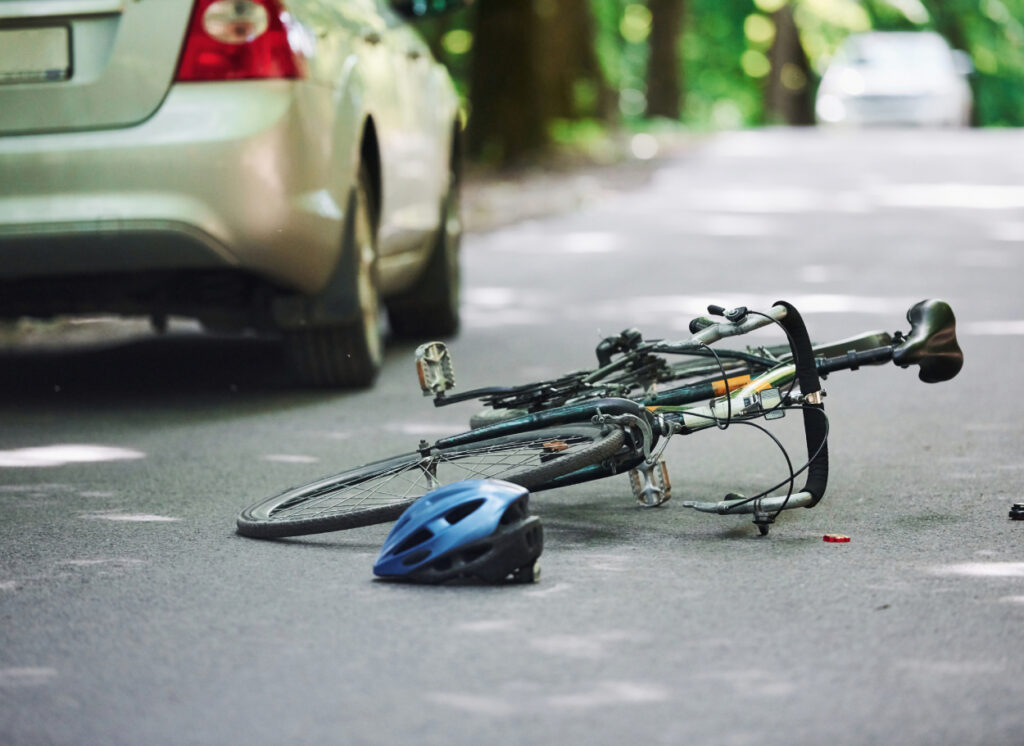
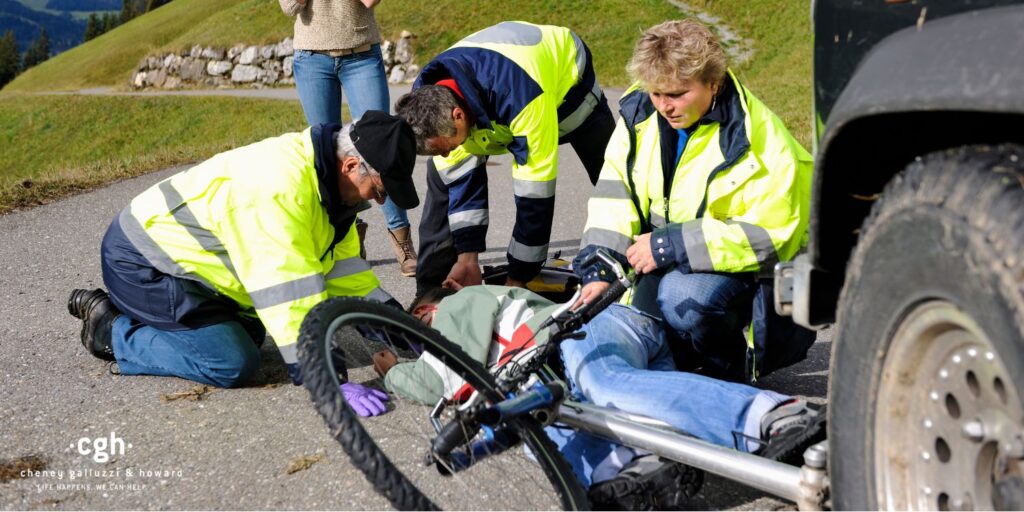
A distracted driver can change a cyclist’s life in a second. One glance at a phone, one hurried look at a navigation screen, one hand reaching for coffee, and a rider ends up on the pavement with a broken collarbone, a wrecked bike, and weeks or months of disruption ahead. These cases often look simple from the outside. Driver looks down, driver hits cyclist, insurer pays. In practice, they rarely unfold that neatly.
When I talk with injured riders, the same problem comes up again and again. They know the crash should not have happened, but they do not know how to prove distraction, how to deal with insurance adjusters, or how to value a claim that includes more than an emergency room bill. That is where the right legal advice matters. A good Bicycle Accident Lawyer does more than file paperwork. The job is to preserve evidence before it disappears, frame the facts clearly, and make sure the injured cyclist is not pressured into a cheap settlement before the full damage is known.
Why distracted driving cases are harder than they look
Most drivers do not admit they were texting or scrolling when they hit a cyclist. Some deny distraction outright. Others say they “just didn’t see” the rider, as though failure to notice a person lawfully using the road somehow softens the negligence. It does CGH Injury Lawyers Bicycle Accident Lawyer not. But from a legal standpoint, that distinction matters because evidence wins cases, not assumptions.
Distracted driving takes several forms. Phone use gets the most attention, and for good reason, but it is only part of the picture. A driver can be distracted by a dashboard screen, food, a passenger, grooming, reaching into the back seat, or mentally checking out in stop and go traffic. With cyclists, even a momentary lapse can cause a right hook collision, a rear end impact, a dooring event, or a sideswipe from a vehicle drifting into a bike lane.
The challenge is that distraction often leaves no obvious physical trace. Drunk driving may show up in a blood test or arrest report. Speeding may be suggested by long skid marks or vehicle data. A distracted driver may leave behind nothing more than a vague statement and a damaged bumper. That is why early investigation matters so much.
The first hours and days after the crash matter more than most people realize
In bicycle injury cases, evidence has a short shelf life. Surveillance video gets overwritten. Witnesses forget details. A damaged helmet gets tossed out by a well meaning relative. A phone record that might have shown a text sent at the time of impact is harder to obtain later. Skid marks fade, and the insurer starts building its own narrative almost immediately.
If you are physically able, or if someone can help you, the most useful early steps are straightforward:
- Get medical attention right away, even if adrenaline is masking pain.
- Photograph the scene, the bicycle, the vehicle, visible injuries, and road conditions.
- Obtain the driver’s information, witness contact details, and the police report number.
- Preserve the bicycle, helmet, clothing, lights, and any bike computer or camera without repairing or cleaning them.
- Speak with a Bicycle Accident Lawyer before giving a recorded statement to the driver’s insurer.
That short window after the crash often shapes the entire claim. I have seen cases improve dramatically because a rider kept a cracked helmet, or because a nearby business still had exterior video when counsel asked for it. I have also seen valid claims become harder because the bike was repaired too soon and critical impact evidence vanished.
What a Bicycle Accident Lawyer looks for in a distracted driver case
Experienced counsel approaches these cases with a practical question: how do we prove what happened in a way that a claims adjuster, defense lawyer, or jury can understand and trust? The answer usually comes from building several layers of evidence rather than chasing one dramatic piece.
The police report is a starting point, not the finish line. Some officers document driver admissions, witness observations, and the point of impact with care. Others produce a sparse report that leaves out important context. If the report says the driver “failed to yield” or “looked away briefly,” that helps. If it does not, the case may still be strong, but more legwork is needed.
Witnesses are often decisive in urban or suburban bike crashes. A pedestrian on the corner may have seen the driver holding a phone. Another motorist may have noticed the vehicle drift into the bike lane before impact. A bus driver’s account can carry real weight. The best witness statements are gathered early, while details are fresh and before people move, change numbers, or lose interest.
Video can be even stronger. Nearby stores, apartment buildings, transit buses, and doorbell cameras sometimes capture the collision itself or the driver’s approach seconds earlier. Footage does not need to show a phone in the driver’s hand to be useful. It may reveal a delayed turn, an unexplained lane drift, or the cyclist’s visible position in the roadway. That often undercuts the familiar defense that the rider “came out of nowhere.”
Phone records may also become relevant, although they are not automatic. In a serious injury case, a lawyer may pursue records showing whether the driver sent or received communications near the time of the crash. That process can be contested and usually requires a formal legal route. It is not available in every case, and it does not always produce a smoking gun. Still, when the surrounding facts already suggest distraction, phone data can become important corroboration.
Vehicle data is another overlooked source. Newer vehicles can store information about speed, braking, steering, and other inputs just before impact. Infotainment systems can sometimes show active use. This is highly case specific, but in the right crash, technical data helps reconstruct what the driver did and did not do.
The driver says the cyclist was hard to see
This is one of the most common defenses, and it needs careful handling. Sometimes visibility is genuinely part of the case. It may be dawn, poor weather, a rider in dark clothing, or a road with weak lighting. But “I didn’t see the cyclist” often boils down to “I was not paying proper attention.”
A cyclist has no duty to become visually extraordinary in order to avoid being hit by a negligent driver. The question is usually whether the rider was where a reasonable driver should have anticipated and noticed them. A marked bike lane, a well traveled shoulder, an urban street with known bicycle traffic, or a predictable path through an intersection all matter. So do reflectors, lights, helmet color, and lane position. Not because cyclists must prove perfection, but because these details make it easier to shut down blame shifting.
There is also a basic common sense point that resonates with adjusters and juries alike. If a driver had enough time and distance to avoid a parked car, a traffic cone, or another vehicle, then a cyclist was not invisible. The driver failed to look, failed to process what was plainly there, or looked but too late because attention was somewhere else.
When comparative fault enters the picture
Many bicycle cases involve some argument that the rider shares part of the blame. Maybe the cyclist rolled through a stop sign. Maybe they were riding outside the bike lane to avoid debris. Maybe they lacked a front light at dusk. These facts do not necessarily destroy a claim, but they do affect strategy.
The legal impact depends on state law. Some states reduce compensation by the rider’s percentage of fault. Others bar recovery if fault crosses a certain threshold. Because of that, a Bicycle Accident Lawyer will spend real time on the details instead of treating them as minor side issues.
This is where judgment matters. Not every bad fact should be fought as though it does not exist. If a rider was not using a light in low visibility, denying the obvious hurts credibility. Better to address it honestly and explain the larger picture. A driver who is texting, drifting across a bike lane, or turning without checking still bears substantial responsibility. The law does not require the injured person to be flawless before they can recover.
I once reviewed a case where the insurer focused heavily on the rider not wearing bright colors. It sounded persuasive until the intersection video was obtained. The driver began a right turn while looking left for car traffic and never checked the bike lane at all. Clothing color became almost irrelevant once the sequence was clear.
Medical treatment shapes the claim
A lot of cyclists are tough. They patch road rash at home, skip follow up visits, and try to get back on the bike too quickly. That mindset may help in endurance sports, but it can hurt an injury claim badly. Insurance companies read gaps in treatment as proof that the injury was minor, resolved, or unrelated.
The typical bicycle crash produces a mix of obvious and less obvious injuries. Broken wrists, clavicle fractures, facial lacerations, and knee trauma show up quickly. Concussions, neck injuries, shoulder damage, and nerve symptoms can evolve over days. Hip pain may turn out to be a labral injury. Numb fingers may point to more than bruising. A rider who “feels mostly okay” at the scene can look very different a week later.
Good legal advice here is simple and practical. Follow through with recommended care. Tell your doctors exactly what hurts and how it affects daily life. Mention cycling specific limitations. If you cannot brake comfortably with one hand, clip in, ride out of the saddle, turn your head safely in traffic, or sit on the saddle for more than ten minutes, those details matter. They connect the medical chart to real world function.
The bike itself is part of the evidence and the damages
People often focus on bodily injury, which makes sense, but the bicycle can tell an important story. A carbon frame can hide serious structural damage after impact. A bent fork, cracked helmet, broken shifter, scraped pedal, or damaged rear wheel can help reconstruct angle and force. That is why repair estimates should come after photographs and preservation, not before.
The value issue can also surprise non cyclists. A serious road bike, gravel bike, e bike, or triathlon setup can easily cost several thousand dollars, and sometimes much more. Add wheels, pedals, power meters, computers, lights, clothing, helmet, shoes, and accessories, and the property loss climbs fast. Replacement value depends on age, condition, and market realities. An insurer may try to treat the bike like generic exercise equipment. It is not. A well documented claim includes component lists, purchase receipts if available, current shop estimates, and photographs showing pre crash condition when possible.
For competitive or highly committed recreational riders, there is also a personal loss that does not fit neatly into a repair invoice. Missing an event, a season, or a long planned tour has real impact. While the law values that differently depending on the jurisdiction and the claim structure, it belongs in the broader damages picture.
Talking to insurance adjusters without damaging your case
Adjusters are trained to sound calm, polite, and helpful. Sometimes they are all three. They are also trained to gather statements that limit payout. That is not cynicism, just the business reality.
The most common early trap is the recorded statement. A rider still medicated, shaken, or uncertain about injuries gets asked a series of seemingly harmless questions. Were you in the bike lane the entire time? How fast were you going? Did you see the car before impact? Do you feel better today? Months later, one imprecise answer gets used to challenge liability or minimize injury.
Another trap is the quick settlement tied to property damage and a modest pain payment before treatment is complete. This often happens when injuries seem manageable in the first week. Then the rider learns the shoulder needs imaging, the wrist has a ligament injury, or the concussion symptoms are lingering. Once a release is signed, reopening the case can be impossible.
A lawyer’s role is not to turn every claim into a courtroom war. Often it is simply to slow the process to a sensible pace, gather records, and make sure the rider understands the value of patience. The right settlement usually comes after the medical picture is reasonably clear, not during the first scramble after the crash.
Damages are broader than the emergency room bill
A cyclist hit by a distracted driver may be entitled to recover for much more than immediate medical charges. The exact categories vary, but in serious cases Bicycle Accident Lawyer the damages picture is often wider than people expect.
Consider how a crash can ripple through daily life. A self employed contractor with a fractured wrist may lose income because tools cannot be handled safely. A nurse with a shoulder injury may need modified duties. A parent with a concussion may struggle with driving, concentration, and childcare. An avid commuter may suddenly need rideshares or rental cars for weeks. Pain at night affects sleep, and bad sleep affects everything else.
Common areas of loss often include:
- Medical expenses, both current and reasonably expected future care.
- Lost wages and diminished earning capacity if the injury affects work.
- Property damage to the bicycle, gear, electronics, and clothing.
- Pain, suffering, and loss of enjoyment of normal activities, including riding.
- Out of pocket expenses such as transportation, medications, or home assistance.
For more significant injuries, future damages deserve particular attention. That may involve physical therapy, injections, follow up imaging, surgical consultations, or lasting functional limits. The value of a claim should reflect where the rider is likely headed, not just what has been billed so far.
Serious injury cases need a different level of preparation
Not every bicycle crash requires litigation, but severe cases require early planning as if litigation may happen. If there is surgery, a permanent impairment, a traumatic brain injury, scarring, or major fault dispute, the stakes rise quickly. The defense will scrutinize every record, every social media post, and every inconsistency.
This is where a seasoned Bicycle Accident Lawyer earns their fee. Strong counsel knows when to retain an accident reconstruction expert, when medical testimony will be needed, when to push for phone data, and when an insurer is stalling because it sees trial risk. Good lawyers also know when not to oversell a case. Credibility matters. Exaggeration backfires.
A practical example: if a rider returns to easy trainer sessions after six weeks but still cannot ride outdoors safely because neck rotation is limited, that nuance matters. A careless presentation might describe the person as “back to cycling,” which the defense would love. A careful presentation explains the difference between gentle indoor spinning and true return to function in live traffic.
Choosing the right lawyer for this kind of case
Plenty of personal injury lawyers can handle a car crash. Bicycle cases have their own texture. Road positioning, visibility, lane control, door zones, passing distances, helmet evidence, and cycling culture all matter. A lawyer who understands cycling does not need basic concepts translated and is less likely to accept unfair anti cyclist assumptions.
When people ask what to look for, I usually point to experience, responsiveness, and fluency in the details of bicycle collisions. You want someone who can discuss comparative fault realistically, not just promise a big recovery. You want someone who understands why preserving the bike matters. You want a lawyer who can tell the difference between a minor soft tissue claim and a crash that may have long term orthopedic or neurological consequences.
Fee structure also matters. Most injury lawyers work on contingency, but clients should still ask clear questions about litigation costs, expert expenses, medical record charges, and how those items are handled if the case does not resolve quickly. Professional representation starts with plain language, not vague assurances.
A careful case tells the truth clearly
The strongest distracted driver bicycle claims are not always the loudest. They are the ones built on disciplined facts. The rider was here. The driver was there. The driver failed to look, failed to yield, drifted, turned, or struck from behind. The phone use, video, witness account, or timing evidence supports distraction. The injuries are documented. The losses are real. The claim is presented with enough patience and precision that the insurer cannot wave it away.
If you were hit while cycling and suspect the driver was distracted, do not treat it as a routine fender bender with handlebars. Protect the evidence. Get proper medical care. Resist the urge to minimize what happened just because cyclists are used to pushing through pain. And speak with a Bicycle Accident Lawyer who understands how these cases are actually won. The difference between a rushed claim and a well prepared one can be substantial, not only in compensation, but in whether the full story is finally taken seriously.
CGH Injury Lawyers
2701 Lawrence St Suite 201
Denver, CO 80205, United States
Phone: +1 720-669-8062
FAQ About Bicycle Accident Lawyer
Who is at fault if a car hits a bicycle?
Fault depends on the evidence and the traffic rules that applied to the collision. A driver, cyclist, or another party may share responsibility. Police reports, witness accounts, video, and the physical evidence can help establish what happened. A collision with a car does not automatically determine legal fault.
Can you sue someone for hitting you on a bike?
You may have a claim when another person's negligent conduct causes your injuries and losses. The available evidence, applicable deadlines, insurance coverage, and any shared fault affect your options. A lawyer can review the circumstances and explain whether an insurance claim or lawsuit is appropriate; compensation is not guaranteed.
What percentage does an injury lawyer usually take?
There is no single percentage that applies to every injury case. Many lawyers use a contingency fee based on a share of the recovery, with the terms stated in a written agreement. Ask how the percentage is calculated, whether it changes during litigation, and how case expenses are handled before signing.