Bicycle Accident Lawyer Denver: Steps to Take Immediately After Impact

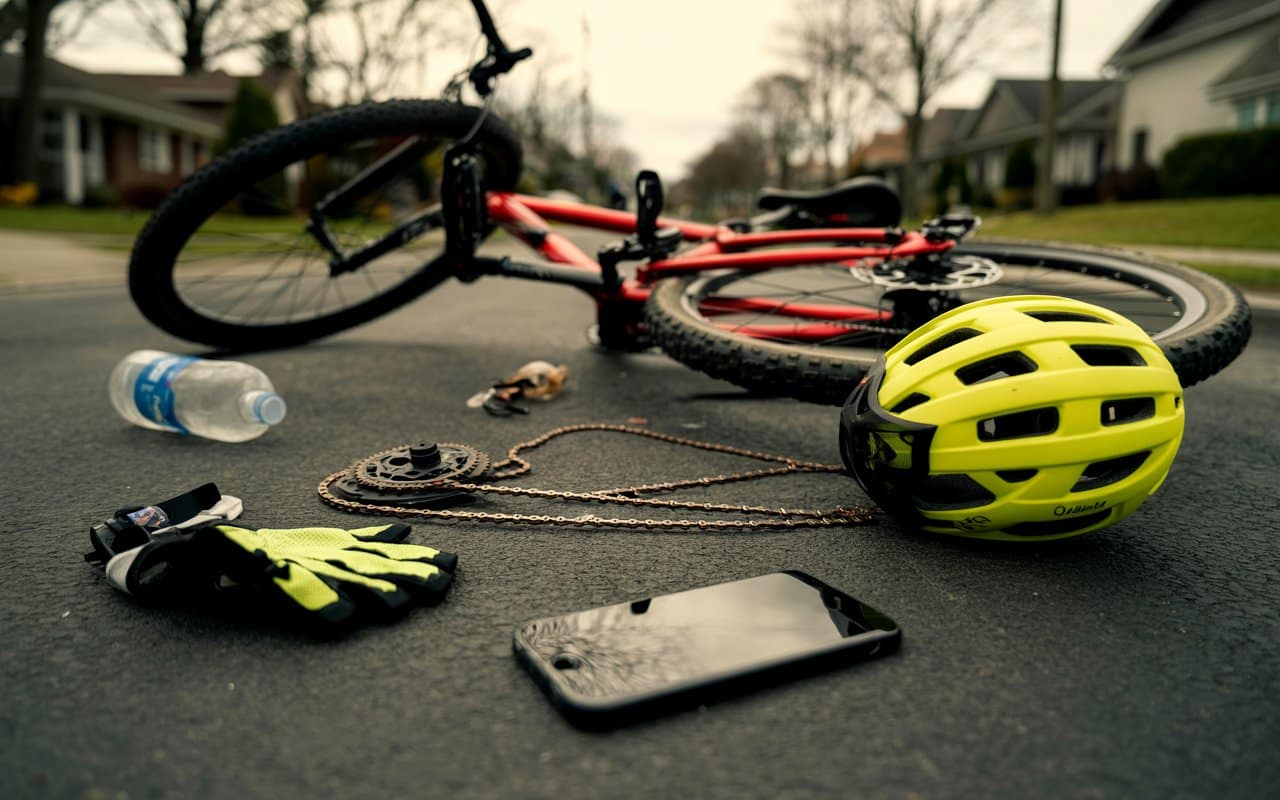
A bicycle crash has a strange way of compressing time. One second you are moving through an intersection, watching traffic and reading the road surface. The next, there is noise, pain, confusion, and a rush of opinions from drivers, bystanders, and insurance representatives. What you do in the first ten minutes, the first hour, and the first few days can affect your health as much as your legal rights.
That is especially true in Denver, where cyclists share crowded streets with delivery vans, rideshare traffic, distracted commuters, and weather that can turn pavement slick without much warning. If you are hit while riding, your priorities need to be simple at first: protect your body, preserve the facts, and avoid saying or signing anything that can later be used against you.
A Bicycle Accident Lawyer Denver residents trust usually gets involved after those first urgent moments. Still, the strength of any legal claim often depends on what happened at the scene and how carefully the aftermath was handled. Small details matter. A photograph taken before a bike is moved. A witness name saved before people leave. An urgent care visit the same day instead of waiting three days and hoping the pain goes away.
The first priority is your physical safety
After impact, many riders try to stand immediately. Adrenaline makes that feel possible even when it is a bad idea. I have seen people insist they are fine, only to realize minutes later that their wrist is fractured or their knee will not bear weight. Head injuries are especially deceptive. Someone may answer questions clearly and still have a concussion.
If you are in traffic and can move without making an injury worse, get to a safer location nearby. If moving causes sharp neck, back, hip, or leg pain, stay put and wait for emergency help. Ask someone at the scene to stop traffic if necessary. Denver intersections can stay chaotic after a collision, and a second impact is a real risk.
Take your helmet off only if necessary. If you hit your head, mention it clearly to first responders and medical staff, even if you did not lose consciousness. Dizziness, ringing in the ears, nausea, confusion, blurred vision, and unusual fatigue are all signs that deserve attention.
Cyclists often focus on road rash because it is visible and dramatic. It should be cleaned and treated, but some of the most serious injuries are the ones you cannot see right away: internal bleeding, rib fractures, torn ligaments, shoulder damage, and mild traumatic brain injuries. Those are the injuries that lead to months of medical treatment and disputes with insurance adjusters who later argue you were not really hurt.
Call the police, even if the driver wants to handle it privately
In a minor parking lot bump, some people can exchange information and move on. A bicycle collision is different. The rider is exposed, and even low speed impact can cause serious injury. If a motor vehicle hit you, call the police and ask for an officer to respond. If someone else calls, make sure the call actually happened.
Drivers sometimes say they do not want a report because they are in a hurry, they are worried about insurance rates, or they think the damage looks minor. Do not accept that framing. A police report is not a guarantee of fault, but it creates a timestamped record that the collision occurred, where it happened, who was involved, and what each person said in the immediate aftermath. That matters later when stories begin to shift.
When the officer arrives, give a factual account. Keep it straightforward. State your direction of travel, lane position, traffic signal or sign status, weather, road conditions, and what you observed before impact. If you do not know an answer, say you do not know. Guessing fills gaps in a way that can later hurt your credibility.
If the officer appears to misunderstand an important point, correct it politely. For example, if you were in a bike lane and the report suggests you came off the sidewalk, say so clearly. If the driver turned across your path, explain that sequence. Details about right hooks, left turns, doorings, failure to yield, and unsafe lane changes often determine liability in Denver bicycle cases.
What to collect before the scene changes
The scene starts disappearing almost immediately. Cars move, witnesses leave, weather changes, and debris gets kicked aside. If you are physically able, gather the basic evidence yourself. If you are not, ask a friend, a bystander, or a responding officer what can be preserved.
The most useful items are usually these:
- Photos of your bike, the vehicle, the roadway, skid marks, debris, traffic signals, signage, and visible injuries
- The driver's name, contact information, license plate number, driver's license details, and insurance information
- Names and phone numbers of independent witnesses
- The exact location, time, and direction of travel for everyone involved
- Any nearby business, home, or traffic cameras that may have captured the collision
Photographs should start wide and then get closer. Take the whole intersection first, then lane markings, then the damage to the bike and vehicle, then your injuries. A bent fork, scraped crank arm, shattered light, or torn clothing can tell a more convincing story than memory alone. If there is a pothole, gravel patch, pooled water, or faded lane line that contributed to the crash, document it before city crews, rain, or traffic erase the evidence.
Witnesses deserve special attention. Independent witnesses often carry more weight than the parties involved because they have less personal stake in the outcome. If someone says, "I saw the whole thing," get their name and number before they disappear. A witness who can confirm the driver rolled through a red light or crossed into the bike lane may become crucial months later.
Be careful with apologies, speculation, and casual conversation
People say odd things after trauma. A rider may apologize just to calm the scene. A driver may say, "I did not even see you," then later deny making the statement. Bystanders may start debating who had the light. In that confusion, it is easy to talk too much.
Keep your communication narrow and practical. Exchange information. Answer police questions honestly. Ask for medical help if you need it. Avoid statements like "I am okay," "It was partly my fault," or "I think I was going too fast," unless you know those statements are accurate and you are prepared to stand by them later. Insurance carriers look for early admissions, especially from injured cyclists who were dazed and trying to be polite.
There is also a difference between being calm and minimizing your injuries. If your shoulder hurts, say so. If your wrist feels weak, mention it. If you struck your head, repeat that to every medical provider you see. The record built in those first hours often becomes the backbone of any injury claim.
Accept medical care sooner than feels necessary
A common mistake after a Denver bike crash is deciding to "sleep it off." Riders are used to soreness. They fall in training, tip over on trails, and come home with bruises. That mindset can be expensive after a collision with a car.
Emergency room care is not necessary in every case, but prompt medical evaluation usually is. Urgent care, your primary care physician, or an emergency department can all create the initial record, depending on the severity of your symptoms. The key is not to wait days while your condition worsens and your insurer starts asking why someone with "real injuries" delayed treatment.
Doctors document more than pain. They record range of motion, swelling, neurological symptoms, abrasions, imaging results, and treatment plans. Those details carry more weight than a later memory that your knee hurt from the beginning. Follow-up care matters too. If you are told to see an orthopedist, neurologist, physical therapist, or concussion specialist, do it. Gaps in treatment invite arguments that you healed quickly or were never seriously injured.
Denver riders commonly suffer clavicle fractures, wrist fractures from bracing a fall, meniscus tears, rotator cuff injuries, and post-concussive symptoms that interfere with work long after the bruises fade. Some of the most disruptive injuries are not obvious in the first twenty-four hours. Neck and back injuries often tighten overnight. A "minor" hand injury can become a major problem if your job depends on typing, tools, or fine motor control.
Your damaged bike is evidence, not just property
Do not rush to repair your bike. Do not let a shop discard broken components. Do not throw away your helmet, torn jersey, shoes, lights, computer mount, or panniers. Those items can help reconstruct the collision and show impact force.
A cracked helmet suggests more than a scare. A twisted rear triangle can support a side impact theory. Scrapes on one crank arm and pedal may show the bike was laid over in a specific direction. Even if you eventually replace the equipment, preserve the original condition until it has been photographed thoroughly and, if necessary, inspected.
This is one area where cyclists sometimes undermine their own cases. They are practical people. They want the bike back on the road. But once repairs are made, an insurer may argue the damage was overstated or unrelated. If possible, store the bike somewhere dry and leave it untouched until you have clear guidance from counsel or the insurance process is far enough along.
Insurance companies start evaluating immediately
You may hear from an adjuster surprisingly fast. Sometimes it is the driver's insurer. Sometimes it is your own insurer if there may be uninsured or underinsured motorist coverage available through an auto policy in your household. The tone can sound friendly and routine. The purpose is still to gather information that helps the carrier control cost.
You are usually safe confirming basic facts such as your name, contact information, and the date and location of the collision. Beyond that, caution is wise. Recorded statements are rarely urgent from your perspective. Broad medical releases are almost never in your interest early on. Once signed, they may allow the insurer to search years of unrelated records looking for prior complaints they can blame instead.
A settlement offer made before you understand the full extent of your injuries is often less generous than it appears. Bike crashes produce hidden costs: follow-up imaging, physical therapy, lost earnings, transportation, replacement gear, reduced ability to work out, and pain that interrupts sleep for months. If a shoulder injury later requires surgery, the value of the claim changes dramatically. A quick payment can close the door before the real picture is visible.
Why timing matters when calling a Bicycle Accident Lawyer Denver
Not every bicycle https://johnnyigem519.vantagequill.com/posts/bicycle-accident-lawyer-denver-for-high-speed-motorist-collision-claims collision turns into a lawsuit, and not every rider needs a lawyer on day one. But there are situations where early legal help makes a measurable difference. Serious injury is one. Disputed fault is another. A hit-and-run, a commercial vehicle, a dangerous road condition, or an uncooperative insurer also changes the equation.
A Bicycle Accident Lawyer Denver cyclists hire can help preserve evidence before it disappears. That may mean sending letters to businesses asking them to retain surveillance footage, obtaining bodycam or dashcam records, arranging an inspection of the bicycle, identifying additional insurance coverage, or making sure damaging statements are not taken out of context. Early legal involvement is often less about filing a case and more about preventing preventable mistakes.
Timing matters for another reason: memories fade. Witnesses move. Camera footage is overwritten. Skid marks vanish in rain or snow. If liability is likely to be contested, weeks can make the difference between a clear story and a murky one.
Fault in Denver bicycle crashes is not always obvious
People tend to assume fault is obvious if a car hit a bike. Sometimes it is. A driver turns right across a bike lane without checking, opens a door into a cyclist's path, or runs a stop sign. Other times the facts are more layered.
Consider a rider traveling straight through an intersection while a driver makes a left turn. The driver may claim the cyclist was hard to see, moving quickly, or outside the lane. A rider descending a hill may be accused of excessive speed even when they had the right of way. On a street with parked cars and a narrow bike lane, a motorist may insist the cyclist "came out of nowhere" when the real problem was failure to yield or failure to check mirrors.
Colorado cases can also involve shared fault arguments. Even when a driver bears primary responsibility, insurers often look for rider behavior they can use to reduce payment. Lack of lights at dusk, earbuds, lane positioning, or alleged signal violations frequently appear in adjuster narratives. That does not mean those arguments win, but it does mean your evidence needs to be organized and credible.
The paperwork side of recovery is tedious but important
Once the immediate emergency passes, the administrative part begins. This is where many strong claims lose clarity. Save everything. Medical visit summaries, bills, prescriptions, imaging reports, physical therapy notes, bike repair estimates, gear replacement receipts, rideshare costs to appointments, and wage loss documentation all matter.
A brief written journal can be surprisingly useful. It does not need to be literary. Just note pain levels, sleep disruption, missed work, family limitations, and activities you cannot do. For a cyclist, that might include inability to commute by bike, missed races, cancelled training blocks, or trouble lifting a child because of a shoulder injury. These are concrete effects, not exaggerations. They help explain what the crash actually cost in daily life.
If your employer accommodates you with reduced duties, shorter shifts, or temporary remote work, document that too. Lost income is not always a simple count of missed days. It can include reduced productivity, forfeited overtime, missed freelance work, or postponed business travel.
When the road itself may share the blame
Not every bike crash in Denver is solely about a negligent driver. Sometimes roadway design or maintenance contributes: broken pavement in a bike lane, unsafe drainage grates, obscured signage, inadequate work-zone markings, or debris left in a travel path. Those cases are more complicated because claims involving public entities often have special procedural rules and deadlines.
The practical point is simple. If the street itself played a role, document it immediately and do not assume the issue can be sorted out later. Conditions change fast. A hazard present at noon can be patched, swept, or repainted by the next morning. What looked obvious to you at the scene may be hard to prove a week later without photographs and location details.
Social media can quietly damage a good claim
After a crash, people naturally update friends and family. That is understandable, but public posts can be misread. A smiling photo at a birthday dinner says little about whether your ribs hurt while sitting there, yet an insurer may use it to suggest you recovered quickly. A trainer ride posted from months before the collision can be misunderstood if context is missing.
The safest approach is restraint. Keep your accounts quiet while treatment is ongoing. Ask friends not to tag you in activity photos. Do not debate the collision online, and do not post anger about the driver, the police report, or the insurance process. Good cases are built with medical evidence, photographs, witness statements, and careful documentation, not social media commentary.
A practical sequence for the first forty-eight hours
If the day of the crash feels blurred, focus on the next two days. That window is where many preventable errors can still be fixed.
- Get a medical evaluation and follow the first treatment recommendations
- Obtain the police report number and confirm the basic identifying information is accurate
- Photograph injuries again as bruising and swelling develop
- Preserve the bike, helmet, clothing, and damaged gear without repairing or discarding them
- Consider speaking with a Bicycle Accident Lawyer Denver riders turn to when fault, injury severity, or insurance issues are already becoming complicated
That last step does not obligate you to sue anyone. It gives you a clearer map. Often the most valuable advice is practical: what records to keep, which insurer should be contacted, whether a recorded statement is necessary, and how to avoid undervaluing a claim before your recovery is understood.
What experienced riders often regret most
It is rarely the dramatic part of the crash. More often, it is something ordinary. They did not go to urgent care because they thought the pain would pass. They repaired the bike before photographs were taken. They trusted the driver's promise to "take care of it" and later discovered there was a dispute over what happened. They gave a recorded statement while concussed. They assumed the police report would speak for itself and never followed up on a witness who could have clarified fault.
The hard reality is that bicycle cases are sometimes undervalued because the rider looked too healthy, too active, or too stoic. Cyclists are accustomed to discomfort. They often return to motion before they are fully healed. Insurance companies know that. A rider who keeps working through pain can be portrayed as someone who was barely injured, when the truth is often the opposite.
If you have been hit, your job is not to perform toughness for anyone. Your job is to protect your health, preserve the facts, and treat the event with the seriousness it deserves. The legal side can be addressed methodically after that, but the groundwork is laid in those first decisions made at the curb, in the clinic, and over the next few days.
Denver has a strong cycling culture, but strong cycling culture does not prevent collisions. When they happen, clarity beats speed, documentation beats memory, and early caution usually saves trouble later.